
Verdict
A distinctive, atmospheric survival MMO with a genuinely fair, cosmetic-only economy that has grown from a mixed launch into an easy recommendation.

Once Human is proof that a launch is not a verdict. When NetEase's post-apocalyptic survival MMO arrived, it landed to a mixed reception, praised for its imagination and dinged for its rough edges. Two years and several major updates later, I sat down expecting a curiosity and came away genuinely won over. This is one of the more distinctive free survival games out there, and, almost shockingly for the genre, one of the fairest.
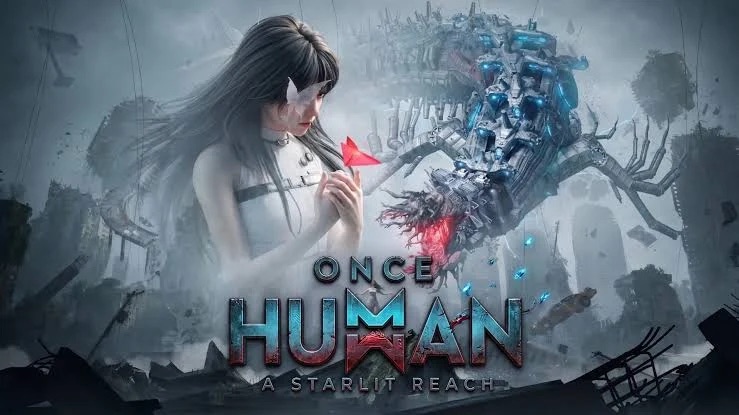
The hook is tone. Where most survival games send you into a generic wilderness to punch trees, Once Human drops you into a world warped by a substance called Stardust, a landscape of cosmic horror where the monsters are grotesque, surreal, and often unsettling in the best way. It is a survival game with a genuine identity, and that identity is what keeps you exploring long after the crafting loop becomes routine.
Gameplay: survival with a strange soul
Mechanically, Once Human covers the survival checklist competently. You scavenge, craft, build a base, manage food and water, and fend off enemies, both the shambling infected and the far weirder Deviants that stalk the world. None of that is revolutionary on its own. What elevates it is the third-person shooting, which is snappier and more satisfying than the survival genre usually manages, and the creature encounters, which range from tense to outright bizarre.
The Deviants are the standout. These captured anomalies act as companions, tools, and passive helpers, feeding your base, buffing you, or aiding in combat, and collecting them gives the world an almost creature-collector layer that plays against the grim survival backdrop in a way I found consistently charming. Base-building is flexible and generous, letting you construct genuinely impressive homesteads without the fiddly frustration some rivals impose.
Combat and building are good rather than great; you will not mistake the gunplay for a dedicated shooter or the base tools for the deepest in the genre. But the sum is more than the parts. The atmosphere, the enemy variety, and the steady sense of discovery carry stretches that would feel like busywork in a blander game. I kept pushing into the next zone just to see what horror waited there.
Content and progression: the seasonal question
Once Human is built around seasons, and how you feel about that will largely decide how you feel about the game. Each season presents a themed scenario with its own rules, map focus, and challenges, and at its close, your progress on that server resets. Your account keeps meta-progression and cosmetics, but the world you built gets wiped so you can start fresh in the next chapter.
For some players this is a dealbreaker, and I respect that; there is a real sting to dismantling a base you poured hours into. For others, myself included after some initial resistance, it is a feature that keeps the game from stagnating. Each season is a reason to return, to try a new build, to experience redesigned content rather than grinding an endless flat curve. NetEase has leaned into this hard, with major annual versions adding sizable new PvE modes, expanded storylines, and competitive spin-off content, so the game today is markedly richer than the one that launched.
Crucially, progression is not gated by spending. You will reach the endgame without paying a cent, and the seasonal loop is designed around skill, time, and planning rather than a store balance.
Tech and monetization: the part that deserves applause
Let me be direct, because it is rare enough to matter: Once Human's monetization is genuinely fair. Spending is confined to cosmetics and convenience, direct purchases, some RNG boxes for appearances, and a battle pass, and none of it touches core power. NetEase said the game would not be pay-to-win and, unusually, kept that promise. The battle pass adds cosmetics and quality-of-life convenience without gating progression, and a dedicated player can experience everything the game offers on the free track. In a genre littered with predatory economies, this is a model that deserves to be pointed at as an example.
Technically, the game is in good shape, with attractive environments, strong creature design, and solid performance on reasonable hardware, though peak-time server hiccups and occasional performance dips still surface. It has expanded to mobile and is broadening its platform reach, and the client is well-supported with a steady update cadence. Its Steam reputation started mixed and has warmed considerably as the game matured, which tracks with my own experience of a title that is simply better now than it was.
Who is it for?
Once Human is for the survival fan who wants atmosphere and identity over grim realism, who is open to a seasonal structure, and who is frankly tired of being nickel-and-dimed. If you can embrace the reset cycle, the world's strangeness and generosity make it one of the easiest free survival recommendations I can give.
If seasonal wipes fill you with dread, or you want the deepest possible building and combat systems, look elsewhere. This is not the most mechanically hardcore survival game, and it will ask you to let go of your creations on a schedule.
Verdict
Once Human grew up. What launched as a promising, uneven curiosity has become a distinctive, atmospheric survival MMO with one of the fairest economies in the entire free-to-play space. Its cosmic-horror world has real personality, its Deviants give it a hook nothing else quite replicates, and its refusal to sell power is genuinely admirable. The seasonal resets and merely solid core systems keep it short of greatness, but this is a far better game than its reputation once suggested, and it costs nothing to find out.
Score: 7.8 / 10 — A strange, generous survival MMO that earned its comeback the honest way.
Pros
- Strange, memorable cosmic-horror world and creature design
- Refreshingly fair monetization with no pay-to-win
- Seasonal structure keeps the world evolving with new modes
Cons
- Seasonal wipes will frustrate players who hate resetting
- Combat and building are solid rather than exceptional
- Server and performance rough edges linger at peak times