
Verdict
A visually confident sci-fi strategy MMO with real tactical depth in its fleet battles, undermined by the aggressive timers and monetization that define the genre.
Project Entropy arrives with the swagger you would expect from a FunPlus release: a slick sci-fi wrapper, a galaxy's worth of planets to conquer, and the promise that anyone can command an interstellar civilization for free. After a couple of weeks with it, I came away respecting the craft on the surface and increasingly wary of the machinery underneath. This is a competent, occasionally impressive strategy MMO that plays exactly by the rules of its category, for better and, more often, for worse.
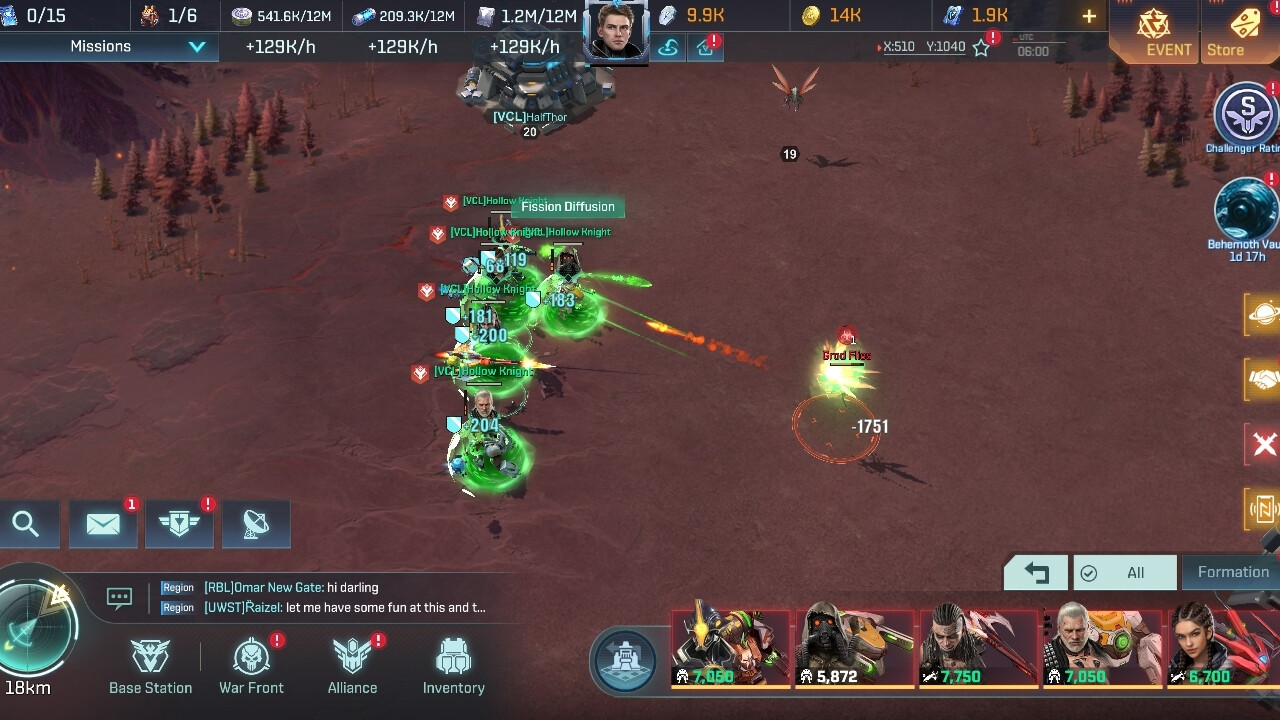
If you have touched a mobile-first 4X in the last decade, the shape of Project Entropy will feel immediately familiar. You land on the exoplanet Kepler-452B, carve out a base in a hostile region where resources are scarce and rival factions circle, and grow from a single outpost into a sprawling empire. What sets it apart, at least at first, is presentation: the fleet battles look genuinely good, and the game is far more legible in the middle of a fight than most of its peers.
Gameplay: fleets that actually feel tactical
The best thing I can say about Project Entropy is that its core combat is not just decoration. You assemble hero fleets, slot in customizable mechs and weapons, and send them into PvE encounters and PvP skirmishes where composition genuinely matters. Counter relationships between unit types are real, positioning affects outcomes, and there is satisfaction in fielding a squad that hard-counters an opponent who out-levels you on paper.
The hero system is the engine here. Each commander brings active abilities and passive synergies, and the deckbuilding-adjacent puzzle of pairing heroes with fleet loadouts is where the game is at its most engaging. In the early and mid game, when the roster is small enough to reason about, that puzzle is legitimately fun. I found myself experimenting, re-specing, and enjoying the payoff when a plan came together against a tougher PvE boss.
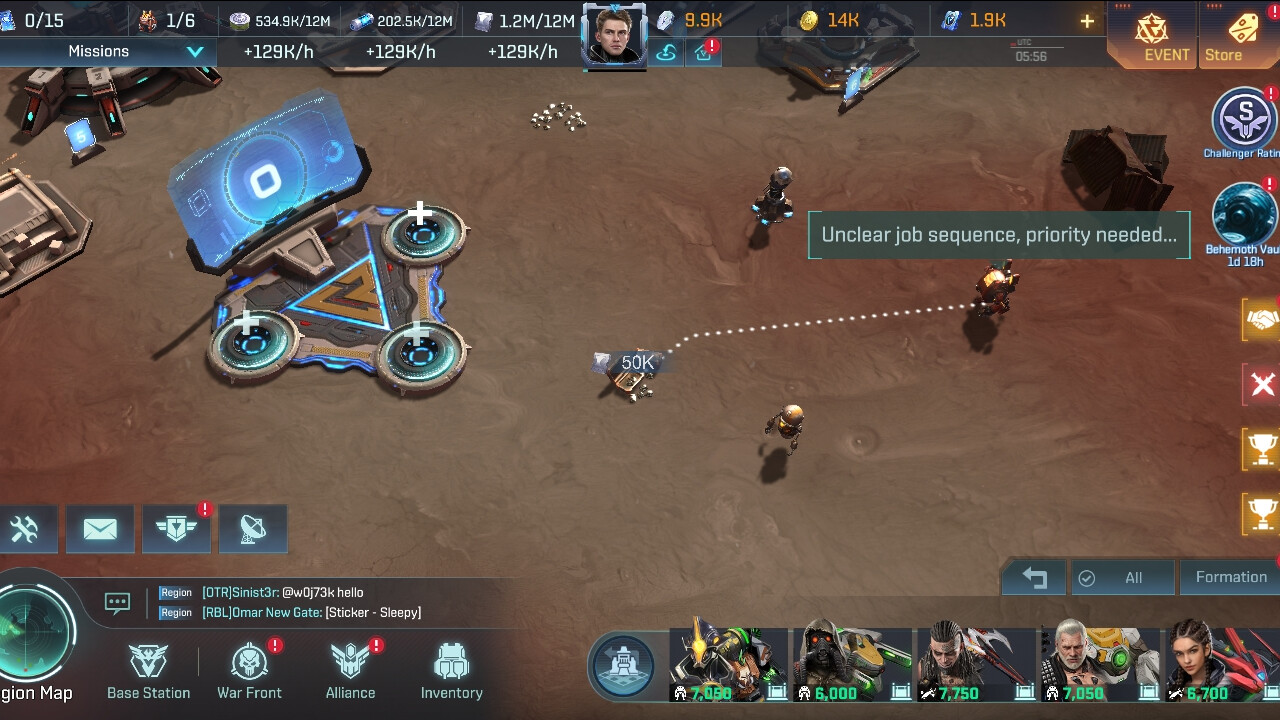
The problem is that this tactical layer sits on top of a base-building loop that is far more about waiting than deciding. You queue construction, you wait, you upgrade, you wait longer. Every meaningful decision eventually collides with a timer, and the game is designed so those timers grow just uncomfortable enough to make the store look appealing. The strategy that hooked me in battle slowly gives way to logistics: which building to queue overnight, which resource to hoard, which speed-up to spend.
Content and progression: broad, but paced by the clock
There is a lot of game here on paper. Planet conquest, alliance warfare, seasonal content, PvE campaigns, a steady drip of new heroes and events. FunPlus keeps the content taps running, and if you enjoy the login-daily rhythm of a live-service empire builder, you will not run out of boxes to tick.
But progression is where Project Entropy shows its true priorities. The curve is deliberately elongated. Early upgrades take minutes, then hours, then the better part of a day, and eventually multiple days without intervention. This is not an accident of balancing; it is the business model expressed as game design. The game is at its most generous in the opening week, showering you with resources and speed-ups to build momentum, then quietly tightens the valve right as you become invested.
Alliances soften some of this. Joining an active group unlocks cooperative help, shared reinforcements, and a social layer that is the genuinely healthy part of the experience. Some of my most enjoyable hours came from coordinating an alliance operation rather than from anything the single-player loop offered. If you commit, the community can carry the game further than its economy deserves.
Tech and monetization: the wall you always knew was coming
Technically, Project Entropy is solid. The PC client is a proper native build with sensible UI scaling, hotkeys, and Steam integration rather than a lazy mobile port, and it runs comfortably on modest hardware. The art direction is the standout, giving the fleets and environments a sci-fi sheen that punches above the genre's usual budget aesthetic.
The monetization is the part I cannot wave away. This is a free-to-play game in the fullest sense: free to install, free to enjoy for a while, and then persistently, methodically pushing you toward premium currency for speed-ups, resource packs, and the gacha-adjacent hero pulls that shape your competitive ceiling. PvP is where it bites hardest. Skillful fleet composition can win you fights above your weight, but it cannot indefinitely outrun someone who has simply bought a stronger, faster-developed roster. In serious server competition, the leaderboard correlates uncomfortably well with spending.
To its credit, the store leans more on convenience and progression acceleration than on locking content outright, and cosmetics do exist. But the honest framing is that Project Entropy sells time, and it manufactures the scarcity of that time on purpose.
Who is it for?
If you already love the empire-builder rhythm, enjoy alliance politics, and treat these games as a low-intensity daily habit rather than a competitive obsession, Project Entropy is one of the better-looking and better-fighting options in a crowded field. Its combat has more genuine tactics than most, and it costs nothing to find out whether the loop clicks for you.
If you are hoping for a strategy game where your decisions consistently outweigh your patience or your wallet, this is not it, and no amount of polish changes that. The fleet battles are the real thing; the economy wrapped around them is the same old machine.
Verdict
Project Entropy is a well-produced sci-fi strategy MMO with legitimately enjoyable fleet combat and a healthy alliance scene, dragged back into the pack by the timers and monetization that define its genre. It earns its polish and squanders some of it. I liked my time in the cockpit far more than my time staring at construction queues. That split is exactly why it lands where it does.
Score: 6.4 / 10 — Good bones and a real tactical spark, buried under the usual free-to-play grind.
Pros
- Striking sci-fi art direction and readable fleet combat
- Genuine tactical depth in hero and fleet composition
- Costs nothing to start and runs on modest hardware
Cons
- Progression is gated behind build timers and premium currency
- PvP quickly favors the biggest spenders
- Late-game loop becomes spreadsheet management, not strategy